



Following Rachel Reeves’ 2025 Autumn budget, we now have confirmed several tax and policy changes that are particularly relevant for high-net-worth investors, from income and property to pensions and ISAs.
That raises a big question for our clients … should they increase the portfolio weighting to alternative assets in this higher-tax environment? I believe premium spirit casks … Scotch, Japanese whisky, 100%-agave tequila, and Mezcal, all offer a potentially robust option.
Last year’s Budget saw CGT rates rise significantly, with the lower rate moving from 10% to 18% and the higher rate from 20% to 24%, while the annual CGT exempt amount was cut from £6,000 to £3,000. These were significant changes that materially lowered net gains on traditional investments.
The government has implemented a number of confirmed measures in this year’s budget that will affect savers and investors:
- The tax-free allowance for cash ISAs will be reduced from £20,000 a year to £12,000 a year for under-65s.
- ‘Salary-sacrifice’ pension contributions above £2,000 per year will face National Insurance contributions from April 2029.
- A “mansion tax” (a high-value property levy) has been announced for properties worth more than £2 million, which adds a new form of property-tax liability for high-end real estate.
- Several thresholds (income tax and NI thresholds) remain frozen, meaning that over time, inflation or nominal income growth could move more people into higher tax brackets (known as fiscal drag).
Here’s how I continue to think about spirit casks in that context
Tax efficiency
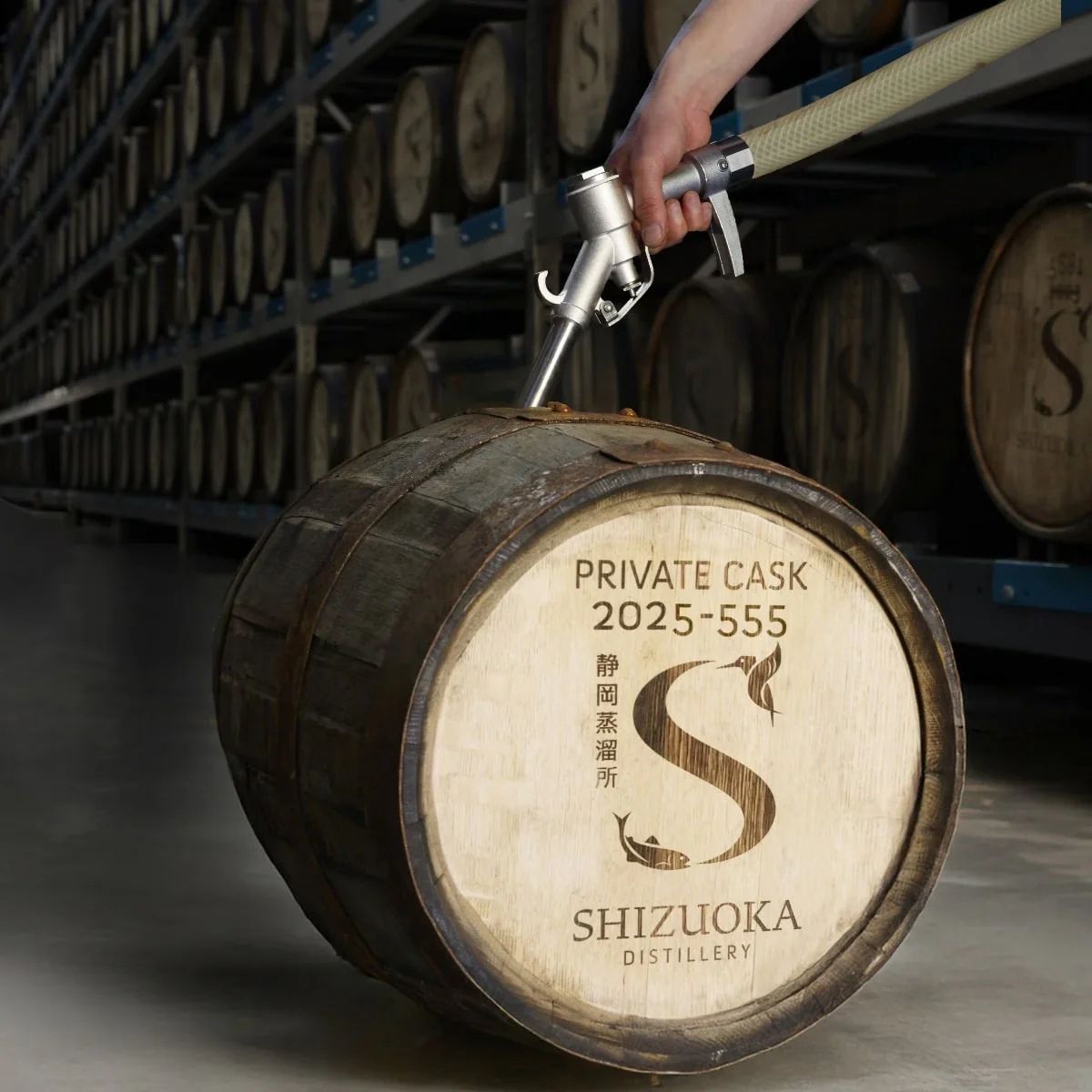
Casks can qualify as wasting assets, which means they may be exempt from CGT when sold. This remains a significant differentiator in a landscape of elevated CGT rates. Also:
- Casks can offer ISA-like tax advantages outside of the ISA wrapper, an important benefit given the cut in cash ISA allowance.
- With pension salary-sacrifice due to be losing part of its tax attractiveness (due to NI changes), holding assets that don’t rely on traditional tax-relief mechanisms becomes increasingly appealing.
In summary, casks can deliver tax-efficient growth in ways that may become more valuable in the evolving UK tax regime.
Diversification
Unlike most traditional assets, casks are tangible. They don’t fluctuate directly with public markets or property cycles, and the inherent scarcity of some casks can drive value independently of broader financial trends.
Hedge against property tax and regulatory risk
The budget’s property measures, such as the mansion tax, make real estate more tax-heavy, especially at the high end. In contrast, premium spirit casks aren’t subject to property taxes, stamp duty, or many of the regulatory burdens associated with real estate, some of which will continue to be reviewed in future budgets, in my opinion. Casks remain a similarly tangible asset that can appreciate in value without exposure to those liabilities.
Growth potential
Historically, carefully selected high-quality cask investments have delivered strong appreciation over time. With a focus on provenance, storage, brand, and rarity, the risk/reward profile remains attractive.
I do not shy away from acknowledging the risks, however:
- Liquidity is limited: casks can’t typically be sold overnight. Exits depend on secondary-market demand.
- Valuation matters: each cask’s value depends on market fundamentals, brand, age, provenance, etc.
- Operational overhead: storage, insurance, maintenance must be professionally managed.
- Regulatory & tax-change risk: while many casks currently enjoy favourable tax treatment, future regulation could alter this.
There are other potential tax burdens sometimes discussed publicly … Charging National Insurance on rental income or further reductions in pension tax advantages beyond those just announced. These, however, were not confirmed in the 2025 Budget. They remain part of broader speculation about where the government may seek revenue in the future, not immediate changes.
In my view, the convergence of:
- already higher CGT rates,
- new property-tax risks (for real estate),
- shrinking cash ISA allowances,
- reduced tax efficiency for pension salary-sacrifice,
means that premium spirit casks are no longer just a punt. They can potentially represent a tax-aware core holding for UK-based investors.
For investors already using ISAs, pensions, and property … Adding quality casks provides a powerful diversification tool: tangible and stable.
If you’re considering the implications of this Budget, particularly around ISAs, pensions, and property, I’d welcome a conversation about how casks could form part of your strategy.
