
Ageing Isn’t Just Waiting — It’s a Chemical Process
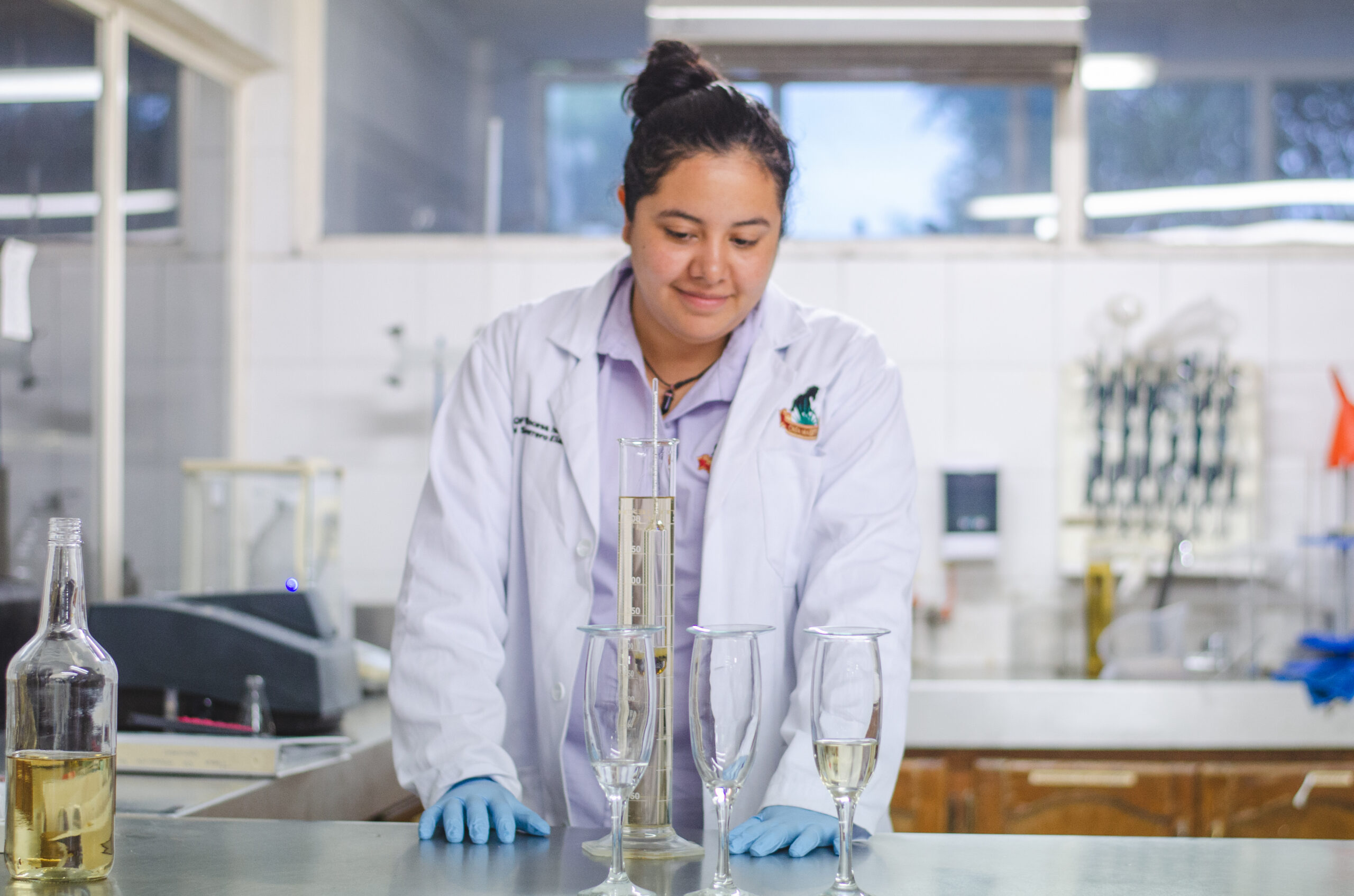
It’s tempting to think of cask maturation as passive: a spirit goes into a barrel, time passes, and value accumulates simply because the clock has ticked. In reality, the science of spirit maturation is an active chemical process, and understanding roughly what’s happening inside the cask helps explain why time genuinely does add value — and why not all ageing is equal.
What Actually Happens Inside the Cask
- Extraction. As the spirit sits in contact with oak, it draws out compounds from the wood itself — tannins, lignin, and wood sugars. This is the primary source of colour (clear Blanco tequila becomes golden or amber) and much of the flavour complexity associated with aged spirits: vanilla, caramel, and spice notes largely originate here.
- Oxidation. Oak is porous, and small amounts of oxygen pass through the wood and into the spirit over time. This slow oxidation softens harsher, sharper notes present in the young spirit and contributes to the smoother, rounder character associated with older expressions.
- Evaporation (“the angel’s share”). A portion of the spirit’s volume — and alcohol content — is lost to evaporation through the cask over time. This is a genuine, physical loss that reduces the total volume available to sell, which is part of why ageing has a real cost, not just a benefit. It’s also the reason spirit casks are legally classified as “wasting assets” in some tax jurisdictions, including the UK.
- Concentration. As liquid volume decreases through evaporation, the remaining spirit becomes proportionally more concentrated in the flavour compounds already extracted from the wood — one reason very old spirits often have notably intense, concentrated character.
- Interaction between compounds. Beyond simple extraction, compounds from the wood and the original spirit continue to react with each other chemically over time, forming new flavour compounds that weren’t present in either the young spirit or the fresh cask alone. This is part of why maturation can’t be meaningfully accelerated by simply exposing a spirit to wood for a shorter period — the reactions genuinely take time.
Why This Explains Real Value, Not Just Marketing
Every stage above has a direct commercial consequence:
- Volume loss through evaporation genuinely reduces supply over time, which is a structural, physical driver of scarcity — not an artificial one.
- Flavour development genuinely differentiates categories: the reason Extra Añejo commands a significant premium over Blanco isn’t branding, it’s that a materially different, more complex product exists at the end of the process.
- Time cannot be substituted. Because extraction, oxidation, and compound interaction all happen gradually, there’s no reliable shortcut to replicate what several years in a cask produces. This is a meaningful part of why aged spirit remains genuinely scarce even as demand grows — supply can’t simply be manufactured faster.
Factors That Influence How Maturation Plays Out
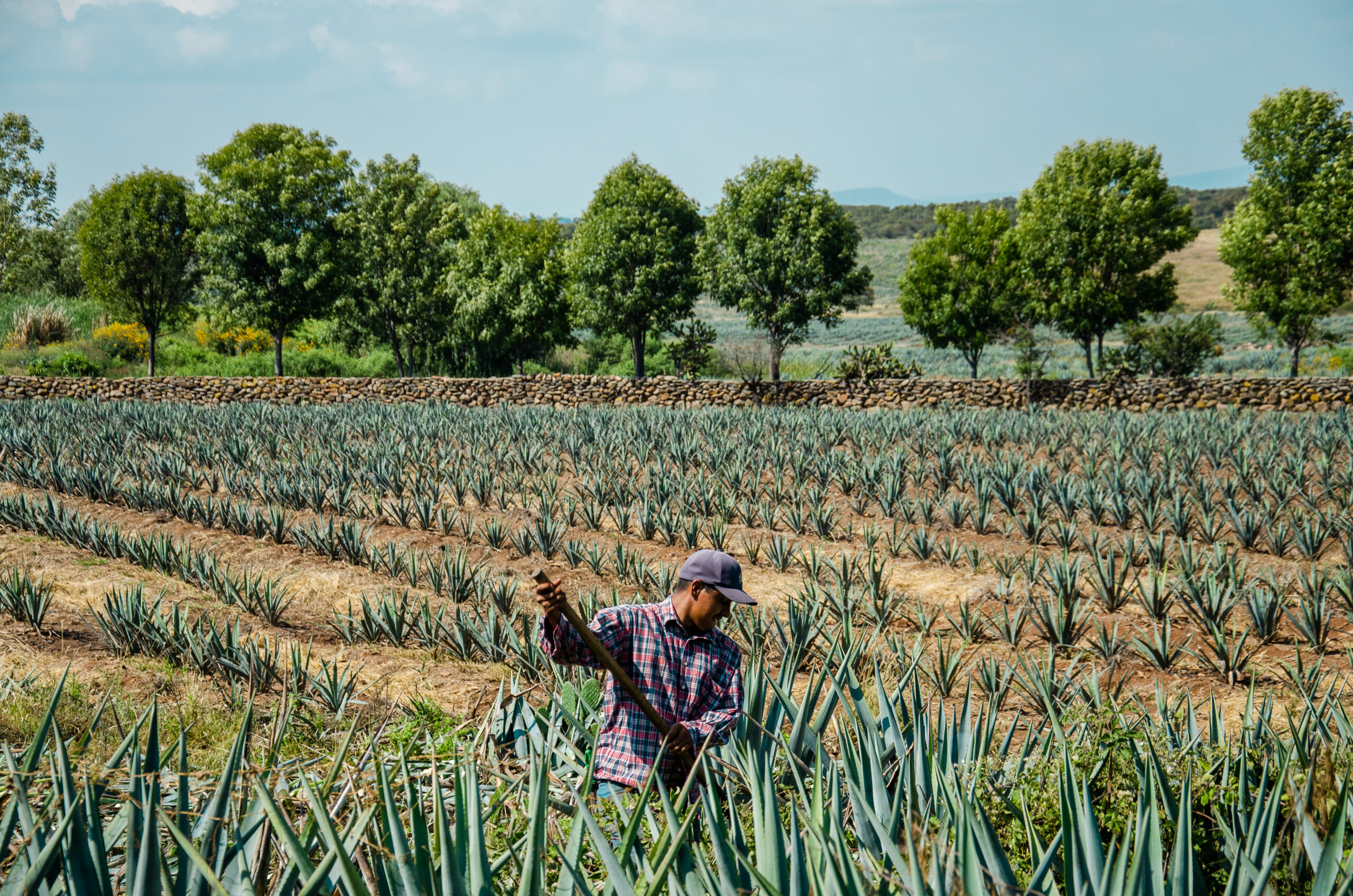
Climate. Warmer, more variable climates — such as Jalisco’s for tequila, compared to Scotland’s cooler, more stable climate for Scotch — tend to accelerate extraction and evaporation, which is part of why tequila’s typical ageing timelines are measured in months to a few years, while Scotch typically requires much longer to reach comparable complexity.
Cask type and cask history. New oak imparts flavour more aggressively than a cask that’s already held a previous spirit. This is why cask type is such a significant value driver in its own right — see How Oak Cask Type Affects the Value and Flavour of Aged Tequila for a full breakdown.
Warehouse conditions. Temperature and humidity within the bonded warehouse affect the rate of extraction, oxidation, and evaporation, which is part of why the specific warehouse a cask is stored in is a legitimate factor to understand, not just an administrative detail.
What This Means for Cask Investors
Understanding the science of spirit maturation is useful for more than curiosity — it’s a genuine input into evaluating a cask investment:
- Ageing timelines aren’t arbitrary. They reflect the time genuinely required for meaningful chemical development, which is why credible category classifications (Reposado, Añejo, Extra Añejo) exist in the first place.
- Climate and cask type materially affect outcomes, which is why the specifics of a given cask — not just “it’s ageing” — matter to its eventual value.
- Evaporation is a real, ongoing cost, not a rounding error — it’s worth understanding roughly how much volume a given cask might lose over its expected holding period.
Frequently Asked Questions
Can spirit maturation be sped up artificially?
Various accelerated-ageing techniques exist (using smaller barrels, temperature cycling, or other methods) and can imitate some surface characteristics of ageing, but they don’t fully replicate the gradual chemical interactions of genuine long-term cask maturation, and are generally not used in the production of tequila or Scotch as legally and commercially defined.
Why does tequila age faster than whisky?
Jalisco’s warmer, more variable climate accelerates the extraction, oxidation, and evaporation processes described above compared to Scotland’s cooler, more stable conditions — which is part of why tequila reaches categories like Añejo in a fraction of the time whisky typically needs to reach comparable complexity.
Does more evaporation always mean a better spirit?
Not necessarily — evaporation contributes to concentration and complexity, but excessive loss simply reduces the volume available to sell without a corresponding quality benefit. Reputable producers actively manage warehouse conditions to balance the two.