



Alternatives Have Become a Core Part of Family Office Portfolios
Family offices are adding spirit casks to portfolios, after steadily increasing their exposure to alternative assets over the past decade, and that shift shows no sign of reversing. According to UBS’s 2026 Global Family Office Report, surveying 307 family offices with an average net worth of $2.7 billion, family offices now allocate roughly 42% of their portfolios to alternative investments, with private markets alone accounting for a significant share of that figure. That’s a structural allocation decision, and it’s the backdrop against which tangible, physical assets like spirit casks are increasingly finding a place.
Why Family Offices Look Beyond Public Markets in the First Place
Family offices typically manage capital across generations rather than quarters, which changes the calculus around illiquidity, correlation, and inflation protection compared to a typical retail portfolio:
- Long time horizons make multi-year illiquid holding periods far less of a constraint than they would be for an investor needing near-term access to capital.
- Diversification away from public market correlation is a recurring theme, and family offices have shown particular interest in assets that don’t move in lockstep with equities and bonds.
- Inflation and currency hedging through tangible, physical assets has become a more prominent theme amid recent macro uncertainty.
- Capital preservation across generations often favours durable, tangible holdings alongside more liquid growth assets.Within this blog, we explore how family offices are adding spirit casks to portfolios.
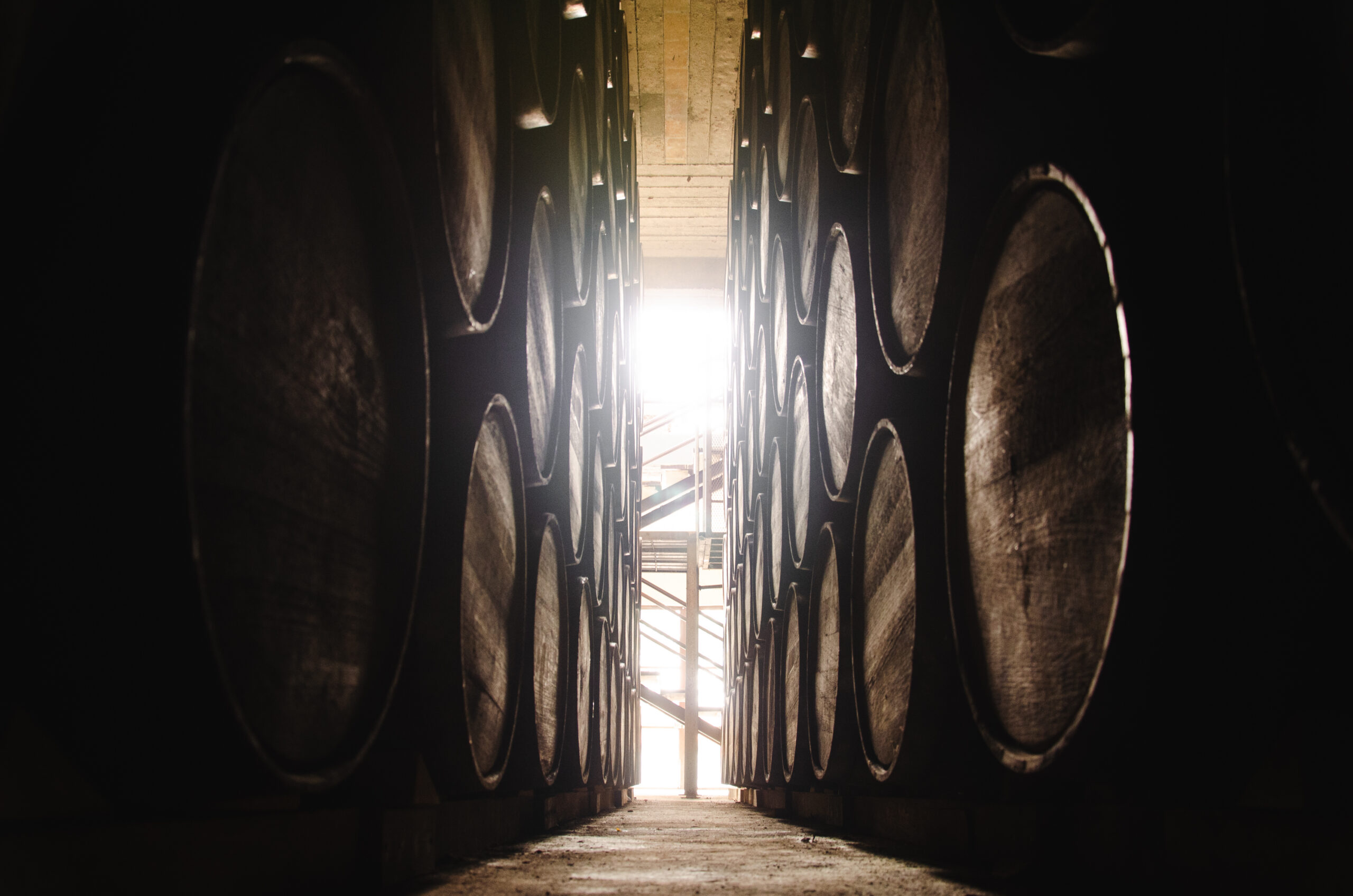
Where Spirit Casks Fit Within That Framework
Spirit casks share several characteristics with the broader “collectibles and tangible assets” category that family offices have expanded into — art, wine, classic cars — while offering some distinct features of their own:
A physical, uncorrelated asset. A cask of maturing tequila or whisky doesn’t move with equity markets, interest rate decisions, or bond yields. Its value is driven by category-specific supply and demand dynamics — agave maturation cycles, brand purchasing needs, category premiumization — that sit largely outside broader macro cycles.
A defined, comprehensible value driver. Unlike some alternative assets where value is more subjective (contemporary art, for instance), a maturing spirit has a relatively transparent value narrative: age, scarcity, and category all move in a predictable direction as the cask matures, even if the ultimate sale price isn’t guaranteed.
Shorter cycles than some traditional alternatives. Private equity and real estate commitments frequently run 7–10+ years. Tequila cask investments, by contrast, often target a 1–3 year holding period — a genuinely different liquidity profile that can complement, rather than duplicate, a family office’s longer-dated private market commitments.
A tangible, engaging asset. Family offices increasingly value alternative assets that offer more than a line on a statement. Something that can be visited, sampled, and discussed. Cask investment, particularly with providers offering cask visits and sampling, fits that “passion asset” category alongside wine and classic cars.
What Family Offices Should Weigh Before Allocating
Spirit cask investment isn’t a substitute for the core building blocks of an alternatives allocation, it’s a smaller, satellite position for most family offices considering it. Key considerations:
- Sizing. Given the asset’s illiquidity and the relative youth of markets like tequila cask investment, most family offices approach this as a modest allocation within the broader alternatives sleeve, not a core holding.
- Manager and broker due diligence. The same institutional-grade diligence applied to a private equity manager should apply to a cask broker — track record, ownership verification processes, and transparency around fees and exit structures. See What Questions Should You Ask Before Investing in a Spirit Cask?
- Exit structure. Family offices weighing certainty against upside may find fixed buyback or minimum-return structures more aligned with a capital-preservation mandate, while open-market structures suit a higher risk tolerance for a smaller satellite position.
- Diversification across categories. Some family offices split cask allocations across tequila and whisky, given their different ageing timelines, supply drivers, and market maturity — see Tequila vs Whisky Cask Investment: Which Is Right for You?
Frequently Asked Questions
What percentage of a portfolio do family offices typically allocate to spirit casks specifically?
There’s no standard figure. Spirit casks are a niche, still-developing segment within the much broader “collectibles and tangible assets” category family offices allocate to. Most treat it as a smaller satellite position, sized according to their overall risk tolerance and existing exposure to similar alternative assets.
Is spirit cask investment suitable for institutional-scale capital?
It can be, though the market’s relative youth (particularly for tequila) and limited liquidity mean position sizing and broker due diligence matter more than they might for larger, more established alternative asset classes.
How does spirit cask investment compare to fine wine or art as a family office allocation?
It shares similar characteristics, they are physical, tangible, uncorrelated and illiquid, but generally offers shorter typical holding periods than fine art and a more transparent value driver (ageing and category) than markets like contemporary art, where value can be more subjective.
