

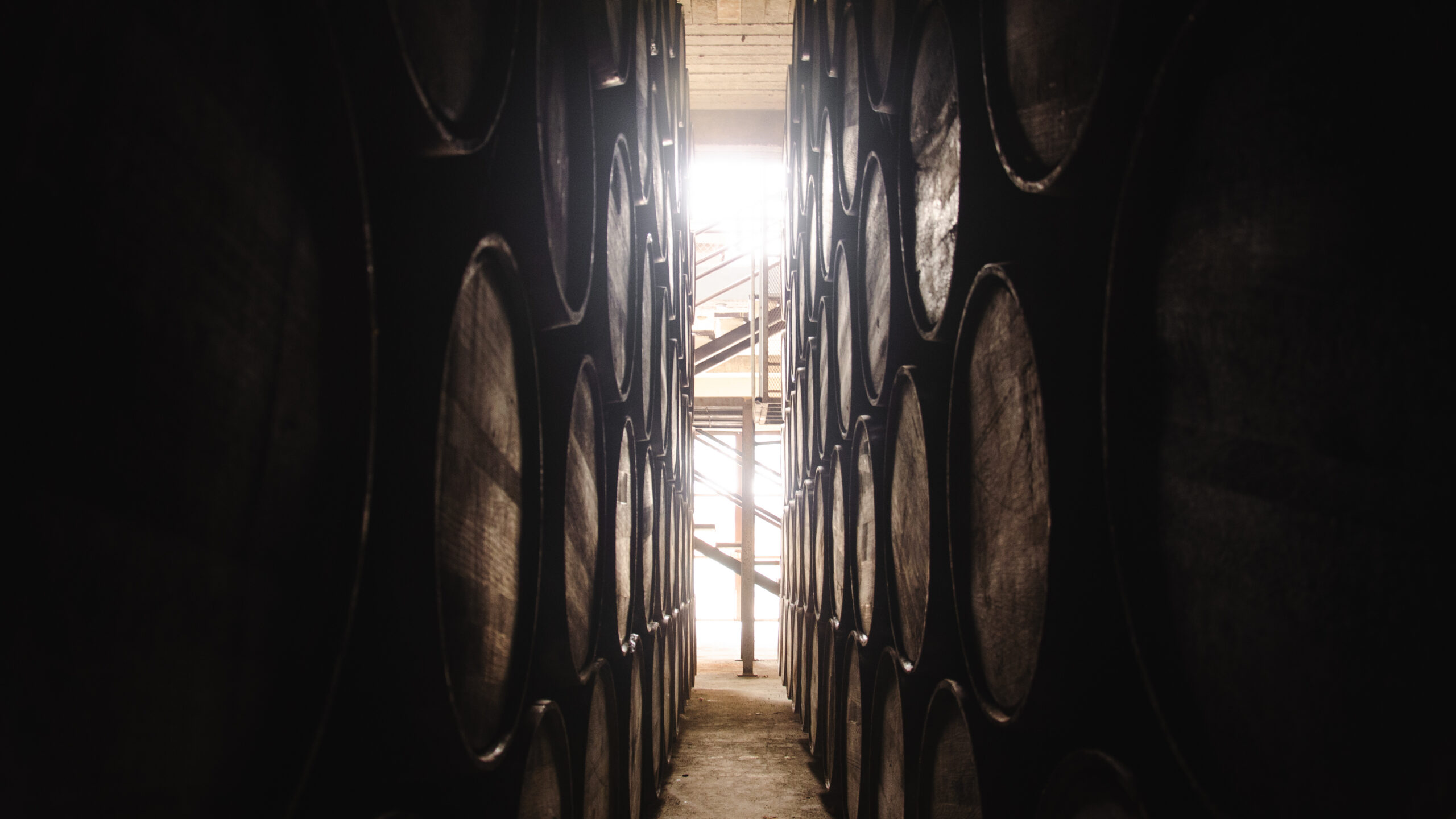

Most Tequila Brands Don’t Own a Distillery
It’s a detail that surprises a lot of people: the large majority of tequila brands on the market don’t own the distillery that makes their liquid. Producing tequila requires land, agave under cultivation for 6–8 years before harvest, distillation equipment, and ageing capacity. A level of upfront investment most brands, especially newer or celebrity-backed ones, don’t want to carry themselves. This is why tequila brands need commercial contracts with distilleries (and increasingly, with cask investors and brokers) to source the liquid that ends up in their bottles. Understanding why makes it much easier to understand where cask investment fits into the wider tequila industry.
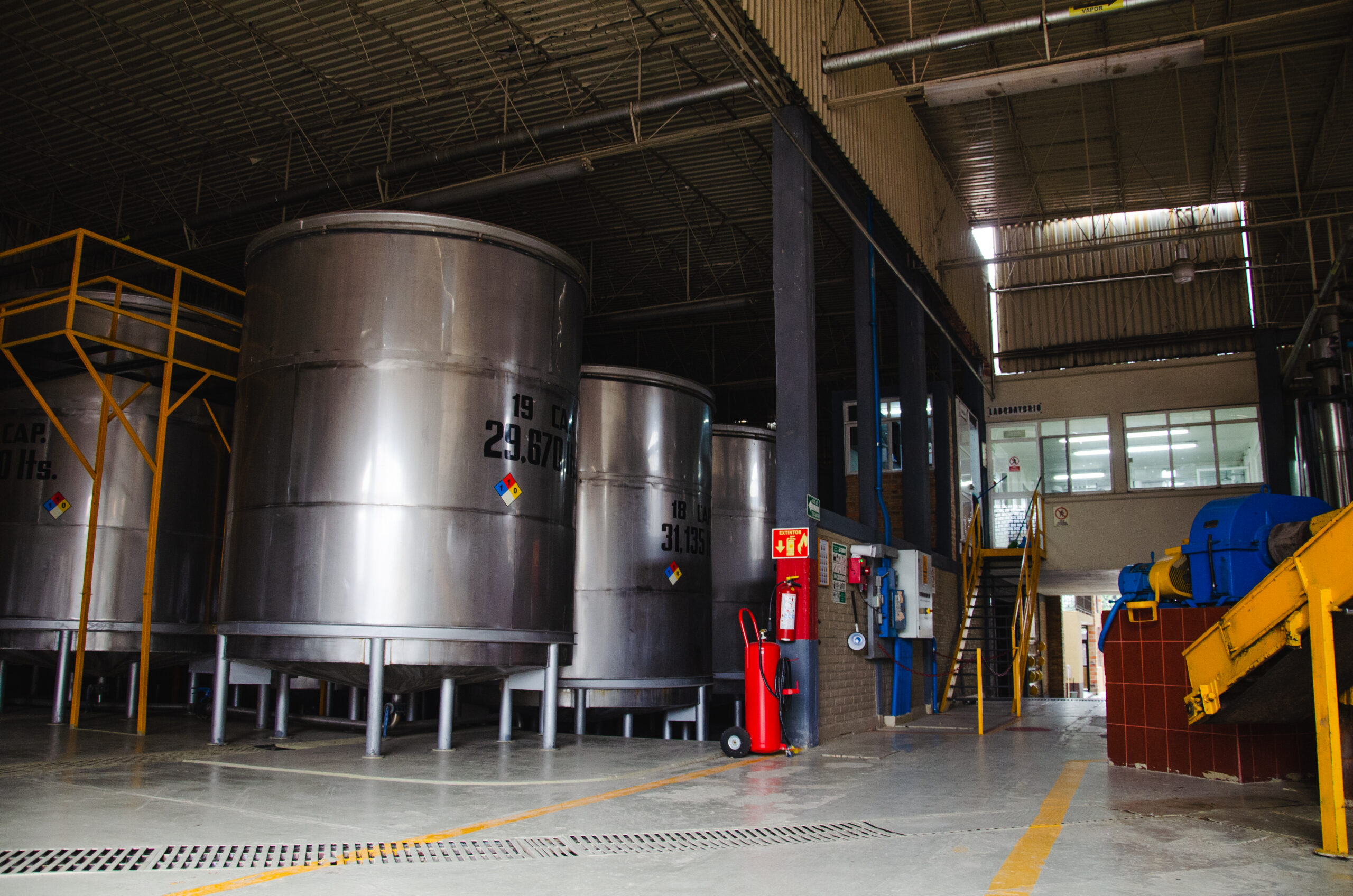
The Core Problem Commercial Contracts Solve
There’s a structural mismatch at the heart of the tequila industry: distilleries need to sell product quickly because agave is expensive to grow and hold, while brands increasingly want aged product to meet growing consumer demand for Añejo and Extra Añejo tequila. Distilleries producing for the wider market often need to sell what they produce relatively quickly, commonly as unaged Blanco, rather than tying up capital and warehouse space ageing stock for years on their own account.
Commercial contracts bridge that gap in a few ways:
- Distillery-to-brand supply agreements.
A brand commits to purchasing volume from a distillery, sometimes specifying ageing requirements, exclusivity terms, and quality standards tied to a particular NOM (Norma Oficial Mexicana) — the identifying number assigned to each distillery. - Distillery-to-broker/investor agreements.
Where a distillery sells blanco tequila directly into cask investment channels, effectively outsourcing the ageing and carrying cost of maturation to investors rather than funding it themselves. - Investor/broker-to-brand offtake agreements.
The other side of the cask investment model — brands agreeing to purchase matured stock from cask owners once it’s reached the required age, filling the aged-tequila gap without the brand having had to fund ageing itself. At GORDON, this typically takes the form of a buyback contract signed directly between the client and the brand or producer, fixing a price and date the brand commits to in advance — the same mechanism that underpins GORDON’s Fixed Buyback and Minimum Return investment tiers.
Why This Matters for Two Types of Brands
Independent and newer brands typically don’t own distilling or ageing infrastructure at all. Their entire supply chain runs through contracts — buying blanco or aged tequila from distilleries or brokers, then bottling under their own label. For these brands, reliable supply contracts aren’t a convenience; they’re the entire basis of the business model.
Larger multinational-owned brands often do have some production capacity, but even they can struggle to age enough stock to meet demand, particularly as premium and aged categories have grown faster than their own warehouse capacity. Contracts with independent ageing sources — including cask investment pools — help close that gap.
What This Means for Cask Investors
This is the demand side of the cask investment model: because tequila brands need commercial contracts, investors and brokers aren’t just speculating on tequila prices in the abstract. They’re providing aged stock into a market where a large share of brands structurally need to buy it from somewhere. That underlying commercial reality is what gives cask investment its exit mechanism — but it also means an investor’s returns are directly tied to how strong that brand-side demand remains.
Frequently Asked Questions
Do all tequila brands rely on outside supply contracts?
The large majority do, though the degree varies. Some larger multinational-owned brands have partial production capacity of their own; most independent and emerging brands rely entirely on distillery and broker relationships.
How does this affect the price a brand will pay for aged cask tequila? Pricing is negotiated per contract and depends on factors like the tequila’s category from Añejo to Extra Añejo, volume, distillery reputation (via its NOM), and prevailing market demand at the time of sale.
Is this different from how whisky brands source supply? The underlying dynamic, independent bottlers and brands sourcing from distilleries rather than always distilling themselves — exists in both categories, though the specific contract conventions differ.
