


What Is Tequila Cask Investment?
Tequila cask investment means buying tequila while it’s young, usually as unaged Blanco, sourced directly from a distillery, and storing it in a bonded warehouse while it ages into a more valuable spirit like Añejo or Extra Añejo. Once the tequila reaches the desired maturity, investors sell the cask, typically to a brand that needs aged stock to bottle and sell at retail.
It works on the same basic principle as whisky cask investment, which has existed for decades: buy a raw, low-cost spirit, let time and scarcity do the work, and sell the matured product to buyers who need it. Tequila is the newer arrival to this model, and its fundamentals are different enough to be worth understanding on their own terms.
Why Tequila, and Why Now?
Tequila is one of the fastest-growing spirit categories globally, and premium and aged expressions have taken an increasing share of that growth. A few structural factors explain why:
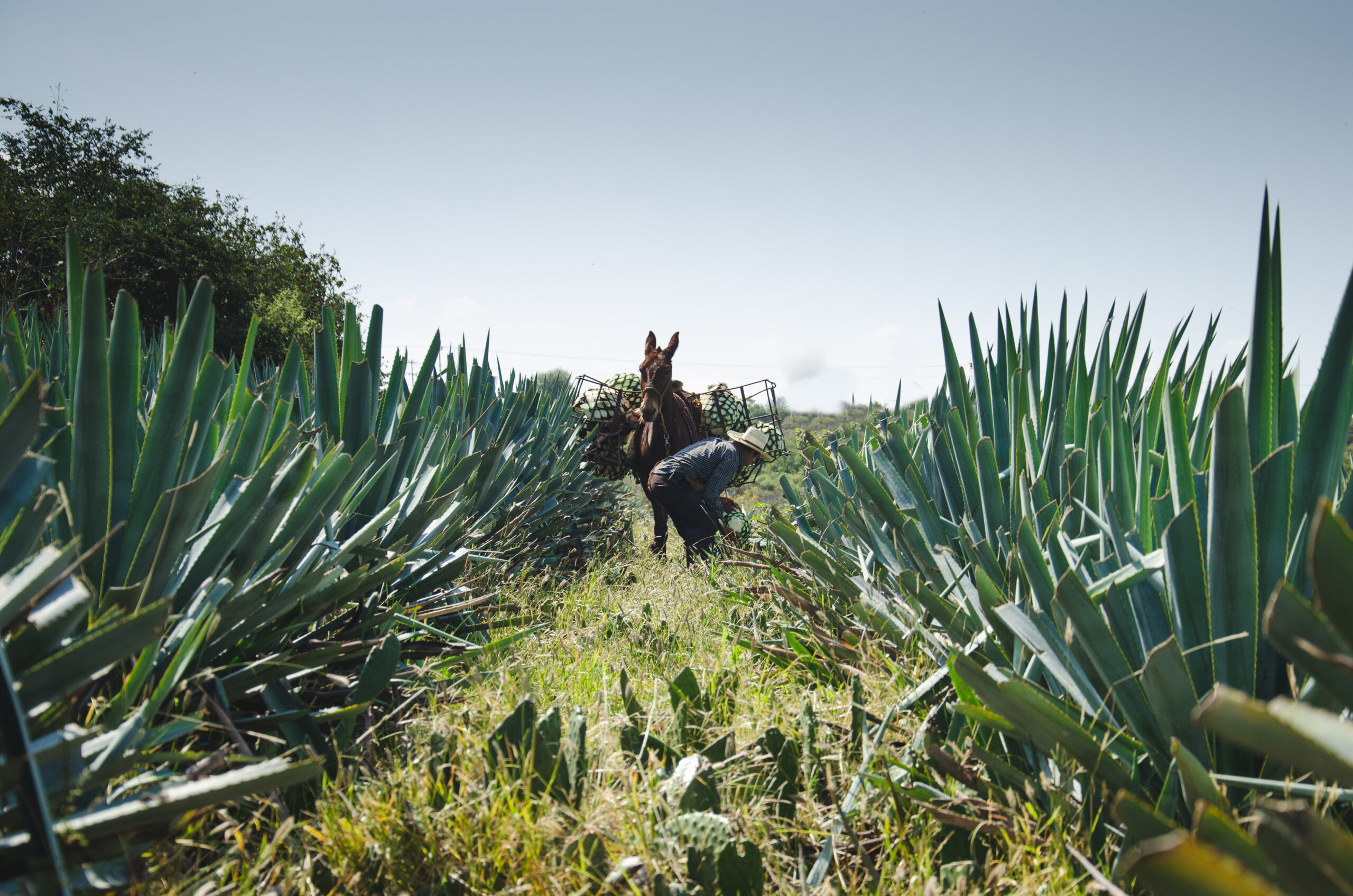
- Agave takes years to grow. The Blue Weber agave plant used in tequila production needs roughly 6–8 years to mature before it can be harvested, which limits how quickly supply can respond to demand.
- Production is geographically restricted. By law, tequila can only be produced in five Mexican states — Jalisco, Guanajuato, Michoacán, Nayarit, and Tamaulipas — under Denomination of Origin rules that also govern how it’s made.
- Most brands don’t own distilleries. The majority of tequila brands buy their liquid rather than produce it themselves, which is what creates demand for third-party aged stock in the first place.
These constraints don’t guarantee returns, but they do explain why aged tequila has become a genuine point of scarcity in the market, and why some investors are approaching it the way earlier generations approached whisky.
How the Process Actually Works
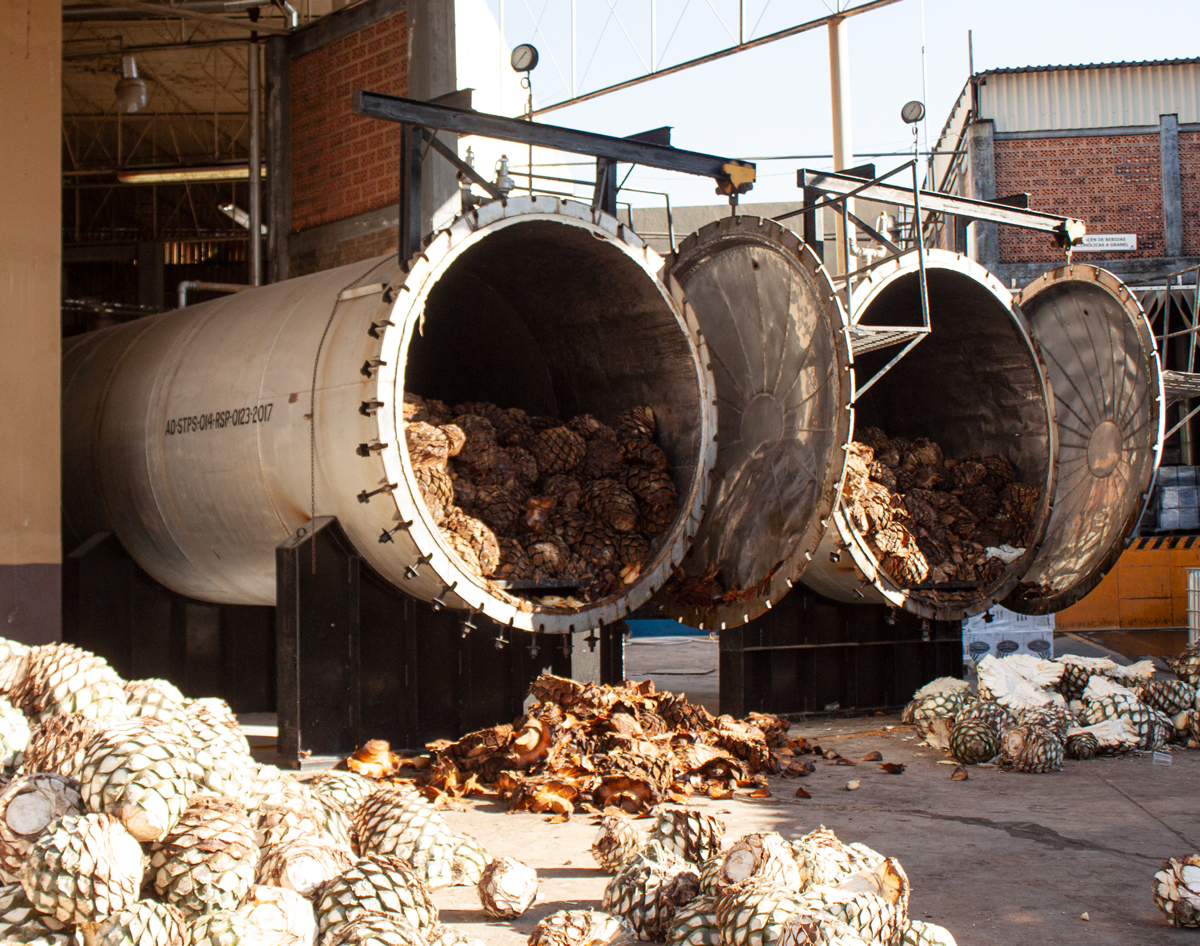
- You buy a cask (or several) of Blanco tequila through a broker or investment platform, sourced directly from a distillery.
- The cask is stored in a government-bonded warehouse in Mexico, which handles security, insurance eligibility, and regulatory compliance while the spirit ages.
- The tequila matures over time, typically moving from Blanco (0–2 months) to Reposado (2–12 months) to Añejo (1–3 years) to Extra Añejo (3+ years). Most cask investment strategies target a 1–3 year holding period.
- You exit by selling the cask, usually to a tequila brand that needs aged liquid to bottle, though some investors choose to bottle and sell the product themselves. With GORDON, this exit is underpinned by a commercial contract signed directly between the client and the spirit brand or producer, which defines a fixed buyback price and date the brand commits to. Clients aren’t obligated to take up the buyback — if the option isn’t exercised, the agreement simply expires and the cask can instead be sold on the open market at the prevailing rate. This structure is what allows GORDON to offer the Fixed Buyback and Minimum Return tiers described below, alongside the open-ended Free Market option.
Ownership should always be confirmed directly by the distillery, not just by the broker who sold you the cask. This is one of the simplest ways to verify that what you’ve bought actually exists and is legally yours.
What Does It Cost to Get Started?
Entry costs vary by broker and cask size, but tequila cask investment is generally accessible at a lower starting point than fine wine or rare whisky, with typical minimums in the low thousands of pounds or dollars per cask. Most investors buy multiple casks to diversify across distilleries, ageing timelines, and exit strategies rather than concentrating everything in one barrel.
What Returns Look Like — and What to Be Careful Of
You’ll see a wide range of return figures quoted across the tequila cask investment industry, often in the high single digits to mid-teens annually. Some of that comes from the underlying economics we’ve described above; some of it comes from marketing.
Rather than a single blended figure, it’s worth understanding that tequila cask products are typically structured into distinct tiers, each trading off certainty against upside differently. GORDON structures its own tequila cask products this way, offering clients a choice between:
- Free Market Casks — no pre-agreed exit price; the cask is sold at prevailing market rates at the end of the term, with higher projected returns in exchange for more exposure to market conditions at the point of sale.
- Fixed Buyback Casks — a fixed price and date are agreed upfront in a commercial contract with the brand, giving a secured, contractually defined return with a clear exit strategy.
- Minimum Return Casks — a contractually secured minimum return, with the potential for additional profit if the cask achieves a stronger price at resale.
GORDON was among the first providers to bring structured tequila cask investment products to market in this form, and continues to develop this three-tier model as the category matures.
Before you take any quoted return at face value, ask:
- Is this a target return or a guaranteed one, and what backs that guarantee?
- Is the figure net of fees (storage, insurance, broker commission, performance fees) or gross?
- Is it based on actual historical sales, or a projection?
- Which tier or product structure does this figure apply to — Free Market, Fixed Buyback, or Minimum Return? These aren’t interchangeable, and blending them into one headline number can be misleading.
The Risks Worth Knowing About
Tequila cask investment is an illiquid, unregulated alternative asset in most jurisdictions. That doesn’t make it a bad investment, but it does mean the usual consumer protections that apply to stocks, funds, or bonds generally don’t apply here. Key risks include:
- Illiquidity — there’s no public exchange for tequila casks; you’re reliant on your broker or platform to find a buyer.
- Counterparty risk — your investment is only as good as the distillery and broker behind it. Verify ownership records independently.
- Market risk — demand for aged tequila could soften, or premiumization trends could shift.
- Physical risk — evaporation (“angel’s share”), spillage, or damage, which is why cask insurance matters.
- No FSCS or equivalent protection — in most markets, cask investments are not covered by the same compensation schemes as regulated financial products.
Frequently Asked Questions
Is tequila cask investment regulated? In most jurisdictions, cask investment sits outside mainstream financial regulation, similar to whisky casks, wine, or art. Storage in a government-bonded warehouse provides regulatory oversight of the physical asset, but the investment itself typically isn’t covered by financial services compensation schemes. Always confirm the regulatory position in your own jurisdiction.
How long does tequila need to age before I can sell it? Most cask investment strategies target a 1–3 year holding period, ageing Blanco into Añejo or Extra Añejo, though timelines vary by strategy and distillery.
Can I visit my cask? Many distilleries and brokers, including GORDON, allow investors to visit their casks and receive samples during the ageing period — this is worth confirming before you invest.
How is tequila cask investment different from whisky cask investment? Whisky is a longer-established market with more price history and more developed resale infrastructure. Tequila is newer, with shorter typical ageing periods and different supply drivers tied to agave cultivation.
Are gains from tequila cask investment exempt from Capital Gains Tax for UK investors? Spirit casks, including tequila, are generally treated under UK tax law as “wasting assets” — items with a predictable useful life not exceeding 50 years, largely because of natural evaporation losses (“angel’s share”) during ageing. Wasting chattels of this kind are typically exempt from UK Capital Gains Tax on disposal. This is general information, not tax advice — treatment depends on individual circumstances, and you should confirm your own position with a qualified tax advisor before relying on it.
